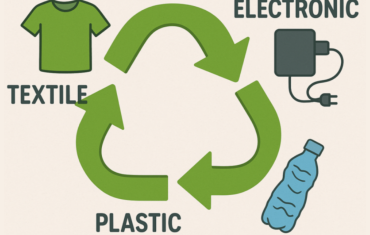
The primary goal of this project is to increase the rate of circular material use in the Central Baltic region (Estonia, Finland and Latvia). The program focuses on making the collection, reuse and recycling of plastic, textile and electronic waste mor efficient through innovative solutions and cross-border cooperation. As part of the project, smart collection points and mobile waste management solutions […]
Continue ReadingCAFU – TAI
Textile & Apparel Industry initiative within the wider RECONOMY program. Reconomy is an inclusive and green economic development program operating in 11 countries across the Eastern Partnership and the Western Balkans. Funded by Sweden and implemented by Helvetas, the program aims to reconnect, revitalize and transform economies, ensuring that the benefits of the development are accessible to everyone. The main objectives include enabling […]
Continue ReadingPROMISE
The goal of this project is to reshape urban mobility, reduce car dependence, and promote more sustainable ways of moving within cities. The initiative is built on the ‘15-minute city’ concept, where essential services are reachable within a 15-minute walk or cycle ride from home. By concentrating on the first and last mile of travel, […]
Continue ReadingFuture Minds
The Future Minds project aims to prepare the education sector and the labor market for the digital and green transition in tourism and transportation sectors. The initiative develops innovative frameworks that help students and professionals master the technologies and sustainability requirements of the future. The project will be implemented over 30 months in collaboration with 5 countries […]
Continue ReadingBaltic2Hand
About Baltic2Hand:The Baltic2Hand project aims to improve textile reuse and reduce textile waste by developing the business models of second-hand companies. Generally, the underuse of textile is caused by a lack of circularity in the textile and fashion industries leading to an overflow of textile waste. All CB countries must work together to find solutions to prevent unnecessary used textile exports […]
Continue ReadingSimpliCITY
The SimpliCITY project used the power of digitalization to make sustainable urban living simpler and more appealing. In Salzburg and Upsala, an innovative online marketplace was created that not only lists local green services (bike repairs, local producers), but also actively engages residents through gamified elements and small digital incentives. The project successfully demonstrated that combining technology with community collaboration can significantly […]
Continue ReadingGAEA Challenge (Green Alternatives for European Autonomy)
The GAEA Challenge is a comprehensive program aimed at promoting European energy independence (autonomy). This project supports researchers, students, and innovators with ideas related to green energy or sustainable raw material management, helping them turn these ideas into market-ready startups. The program takes place in 8 Central and Eastern European countries and is based on a multi-stage competition system. After the local […]
Continue ReadingEU Sparks for Climate
The goal of this project is to bridge the gap between scientific research and local communities. They implemented a system where researchers and citizens can develop innovative solutions together for climate change resilience and the mitigation for environmental impacts. The activities include virtual hackathons; local and regional events were organized where the involved people worked on specific climate protection challenges. Participants also received expert assistance in developing […]
Continue ReadingTriple Bottom Line Baltic Impact Accelerator / Baltic Impact Accelerator
Project aim and description: The “Triple Bottom Line Baltic Impact Accelerator” (Baltic Impact Accelerator) tackles the challenges of new growth companies in the CB region by utilizing the Triple Bottom Line (3BL) methodology that enables more growth (Profit) with specific consideration towards environment (Planet) and society (People). As a result, the scaling-up of companies is tackled in three levels: Profit, […]
Continue ReadingDYMON – Dynamic Mobility Nudge
The aim of this project was to promote sustainable urban mobility with the method of “digital nudging”. It examined how real-time data, for example the weather and traffic, could be combined with psychological incentives to encourage city residents to voluntarily switch to more sustainable modes of transportation (walking, public transport, cycling). During the project, researchers closely collaborated with the cities of Salzburg and Uppsala. They came up with digital methods, […]
Continue Reading